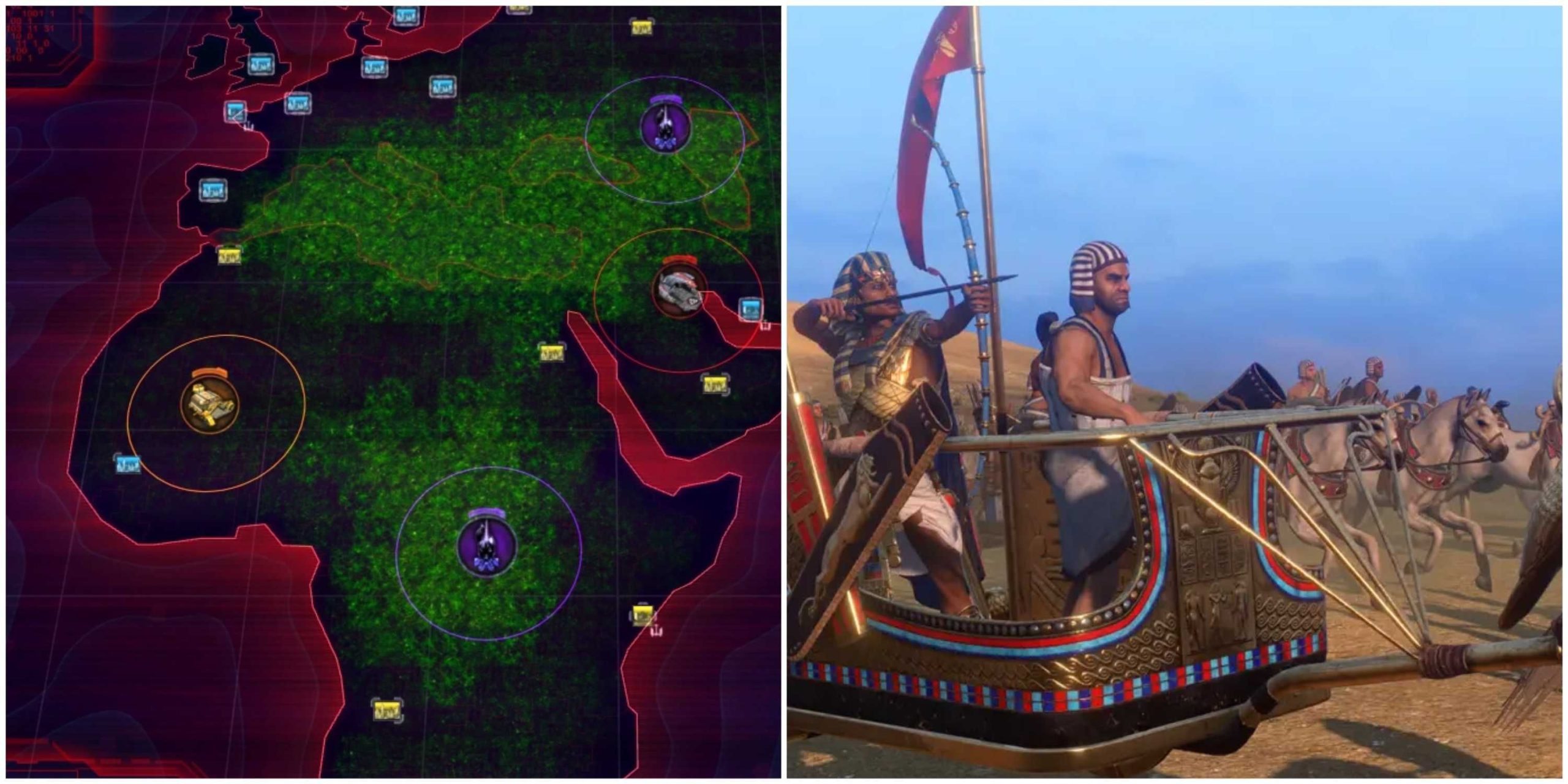
The strategy genre has long stood as one of the most intellectually rewarding categories in gaming. Within it, two dominant design philosophies have emerged: Real-Time Strategy (RTS) and Turn-Based Strategy (TBS). While both demand tactical foresight and resource management, they deliver fundamentally different experiences shaped by pacing, cognitive load, and player agency. Understanding these differences is essential for developers, critics, and players alike.
Defining the Two Paradigms
Real-Time Strategy games unfold continuously. All players act simultaneously, and the game clock never pauses unless the player explicitly issues a pause command. Titles such as StarCraft II, Age of Empires IV, and Company of Heroes 3 exemplify this model. Success depends on split-second decision-making, mechanical execution, and the ability to manage multiple fronts at once.
Turn-Based Strategy games, by contrast, structure play into discrete turns. Players issue orders, end their turn, and then wait while opponents or AI factions act. Classics like Civilization VI, XCOM 2, and Into the Breach embody this approach. Here, success rewards deliberation, planning, and adaptation rather than reflex speed.
Core Differences at a Glance
| Pacing | Continuous, simultaneous action | Discrete, sequential turns |
| Primary Skill | Reaction speed, multitasking | Planning, foresight, optimization |
| Cognitive Load | High temporal pressure | High analytical depth |
| Match Length | Typically 10–45 minutes | Often several hours or more |
| Accessibility | Steeper mechanical curve | Gentler entry, deeper mastery |
| Representative Titles | StarCraft II, Age of Empires IV | Civilization VI, XCOM 2 |
The Case for Real-Time Strategy
Adrenaline and Mechanical Mastery
RTS games transform strategy into a performance discipline. Players must harvest resources, construct buildings, scout enemy positions, and command armies — all while an opponent does the same. The result is a uniquely exhilarating feedback loop where actions per minute (APM) and decision quality are inseparable.
Emergent Storytelling Through Chaos
Because events occur simultaneously, RTS matches generate unpredictable narratives. A desperate last-minute flank, a perfectly timed airstrike, or a base race between two depleted armies creates moments that feel spontaneous and dramatic. No two matches unfold identically.
Esports Dominance
RTS titles have historically anchored competitive gaming. StarCraft became a national pastime in South Korea, while Age of Empires and Warcraft III built enduring tournament scenes. The genre’s skill ceiling is exceptionally high, making it ideal for spectators who appreciate technical precision.
The Case for Turn-Based Strategy
Depth Without Pressure
TBS games remove time as a constraint, allowing players to analyze every variable before committing to a decision. This design choice enables extraordinary tactical depth. In XCOM 2, positioning, cover, and ability cooldowns can be evaluated exhaustively — a luxury impossible in real time.
Accessibility and Inclusivity
Players with limited reflexes, cognitive differences, or simply less free time can engage fully with turn-based titles. There is no penalty for pausing to think. This inclusivity broadens the audience considerably and makes TBS an excellent entry point into strategy gaming.
Narrative and Empire Building
Turn-based systems shine in grand strategy and 4X contexts. Managing a civilization across millennia, researching technologies, and negotiating diplomacy requires a scope that real-time pacing rarely accommodates. Civilization VI and Total War’s campaign layer demonstrate how turns enable long-form narrative arcs.
Hybrid Designs and Genre Blending
The binary distinction is not absolute. Several titles deliberately blur the line:
- Pausable real-time: Baldur’s Gate and Pillars of Eternity allow tactical pauses during combat.
- Active Time Battle: Final Fantasy introduced timed turn systems with real-time elements.
- We-Go systems: Frozen Synapse and Atlas Reactor have players plan simultaneously, then resolve actions in real time.
- Real-time with pause (RTwP): Stellaris and Crusader Kings III offer adjustable game speeds with pause functionality.
These hybrids illustrate that the RTS-versus-TBS debate is less a binary and more a spectrum defined by how each design handles time as a resource.
Choosing the Right Genre for the Right Player
Developers and publishers should consider audience expectations carefully. Consider the following decision framework:
Conclusion: Two Sides of the Same Strategic Coin
Real-Time Strategy and Turn-Based Strategy represent complementary approaches to the same core fantasy: outthinking an opponent. RTS rewards those who can think and act under pressure, transforming strategy into a test of execution. TBS rewards those who can think deeply and plan comprehensively, transforming strategy into a test of judgment.
Neither genre is superior. The best choice depends on the experience a designer wishes to craft and the player they wish to serve. As hybrid designs continue to evolve, the boundary between real-time and turn-based will only grow more permeable — a promising sign for a genre that thrives on innovation. For developers, the lesson is clear: understand the cognitive contract your game establishes with its players, and design every system to honor it.
Leave a Reply