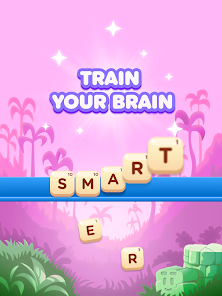
The modern web has transformed how we engage with puzzles. What once required a newspaper, a pencil, and a quiet morning is now available instantly on any device, often enhanced by adaptive difficulty, global leaderboards, and social competition. For tech enthusiasts and casual players alike, online word games and brain teasers represent one of the most accessible and rewarding ways to keep cognition sharp. This guide explores the best categories, standout platforms, and practical strategies for getting the most out of browser-based mental challenges.
Why Online Brain Games Matter in the Digital Age
Cognitive engagement is not a luxury; it is maintenance for the mind. Online word games and brain teasers offer a low-friction entry point into regular mental exercise. Unlike dedicated mobile apps that demand installation and storage, browser-based games load in seconds and work across operating systems. That accessibility matters, because consistency beats intensity when it comes to cognitive training.
Beyond convenience, online platforms introduce mechanics that physical puzzle books cannot replicate: real-time difficulty scaling, multiplayer matchmaking, daily streak systems, and instant feedback loops. These features keep players motivated while quietly building vocabulary, pattern recognition, and working memory.
The Core Categories of Online Word Games
Word games come in several distinct families, each targeting different cognitive skills. Understanding these categories helps you build a balanced routine rather than defaulting to a single favorite.
- Word formation games challenge you to build words from a limited set of letters, sharpening spelling and lexical recall.
- Vocabulary and synonym games test your knowledge of meaning, nuance, and semantic relationships.
- Deduction word games blend logic with language, requiring you to eliminate possibilities systematically.
- Anagram and rearrangement puzzles train spatial-linguistic flexibility by forcing you to see familiar letters in new orders.
- Typing-based word challenges add a speed component, improving reaction time alongside accuracy.
Brain Teasers That Go Beyond Vocabulary
Brain teasers cover a broader territory than word games alone. They include logic puzzles, math riddles, spatial reasoning challenges, and lateral thinking problems. The best online platforms mix these disciplines, preventing the mental plateau that occurs when you repeat the same type of puzzle indefinitely.
Leading Platforms Worth Your Time
The quality of online puzzle platforms varies widely. The following table summarizes several well-regarded options across different play styles.
| NYT Games | Word and logic puzzles | Daily habit builders |
| Wordle | Deduction word guessing | Quick daily challenges |
| Lexulous and Scrabble-style sites | Competitive word formation | Multiplayer enthusiasts |
| Lumosity | Cognitive training suite | Structured brain workouts |
| Brain Metrix | Mixed brain teasers | Variety seekers |
Each platform has trade-offs. Subscription models unlock archives and ad-free play, while free tiers often rely on daily limits. For most users, a hybrid approach works best: one daily word game for consistency, one competitive multiplayer option for engagement, and one mixed puzzle site for breadth.
How to Build an Effective Mental Fitness Routine
Playing randomly produces diminishing returns. A structured approach yields better results.
- Set a fixed time — ten to fifteen minutes each morning is enough to establish a habit.
- Rotate puzzle types — alternate between verbal, logical, and spatial challenges across the week.
- Track your performance — most platforms store statistics; review them monthly to spot plateaus.
- Increase difficulty deliberately — once a puzzle type feels easy, move to a harder tier rather than repeating comfortable wins.
- Avoid autopilot — the goal is active problem-solving, not passive clicking.
The Science Behind the Fun
Cognitive training research remains nuanced. Studies suggest that brain games improve performance on the specific tasks you practice, with more modest transfer to general intelligence. However, the secondary benefits are well documented: reduced stress, improved mood, and a sense of daily accomplishment. For many players, the real value lies in maintaining curiosity and mental engagement rather than achieving dramatic IQ gains.
What matters most is sustained challenge. A puzzle that feels effortless stops being useful. The sweet spot is the zone where you succeed roughly seventy to eighty percent of the time — difficult enough to demand focus, achievable enough to stay motivating.
Final Thoughts
Online word games and brain teasers offer a rare combination: genuine cognitive benefit wrapped in genuine entertainment. They require no special equipment, fit into small pockets of time, and scale from casual to intensely competitive. Whether you are a developer looking for a productive break between sprints or a lifelong puzzle enthusiast seeking new challenges, the browser has become the most versatile puzzle box ever built. Choose a platform, set a routine, and treat your daily game not as a distraction but as deliberate mental maintenance.
Leave a Reply