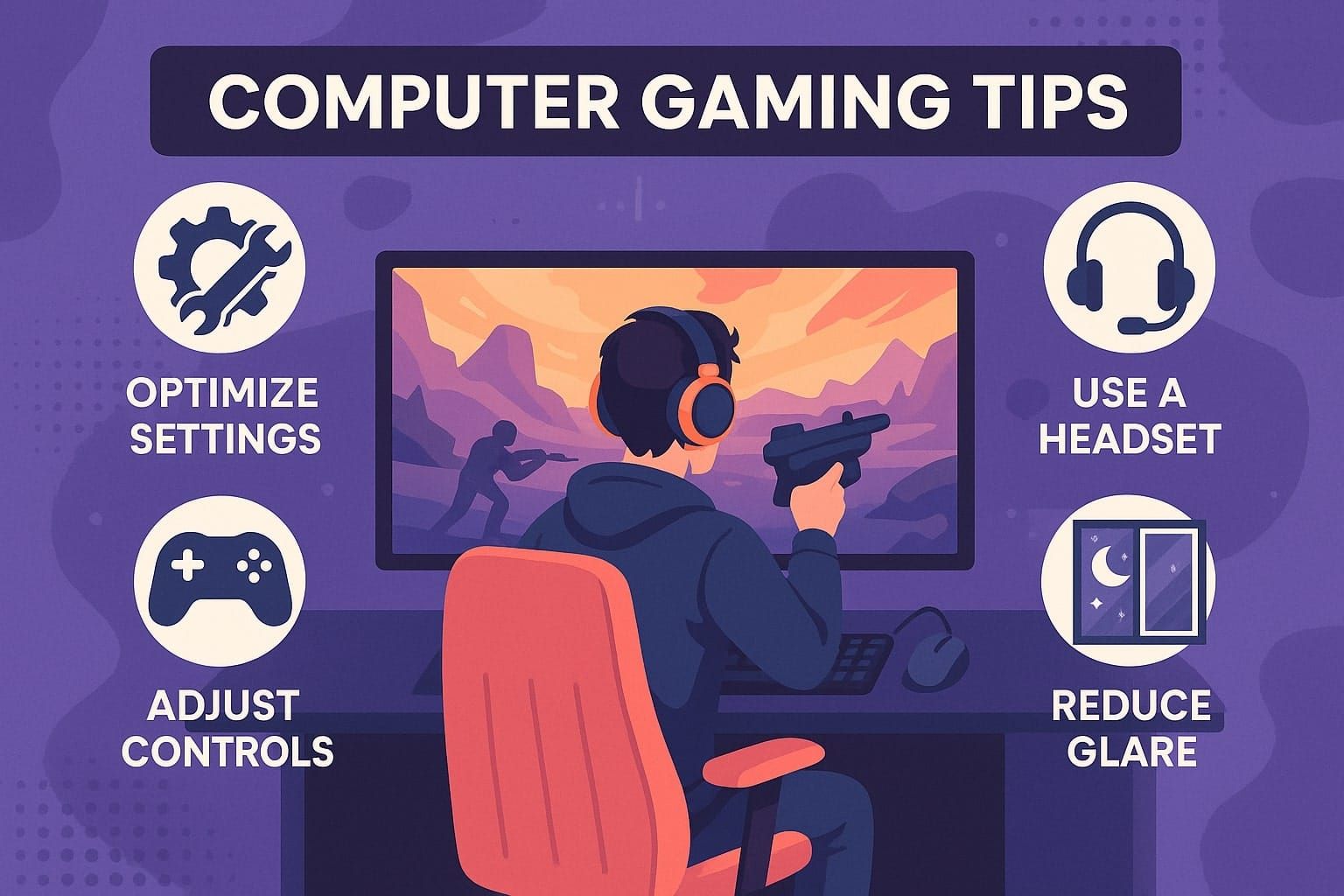
Entering the world of online gaming is an exciting milestone. Whether you are launching your first multiplayer match, joining a cooperative campaign, or exploring a persistent virtual world, the initial experience can feel overwhelming. Modern online games combine complex systems, real-time communication, and competitive pressure into a single package. The learning curve is real, but it is entirely manageable with the right approach. This guide provides practical, professional advice to help new players build confidence, avoid common pitfalls, and enjoy the journey from novice to competent competitor.
Start With the Right Mindset
Before you touch a controller or keyboard, understand that online gaming rewards patience far more than raw talent. Every experienced player you encounter was once a beginner who made mistakes, lost matches, and learned from failure. Adopt a growth-oriented mindset from day one.
- Expect to lose: Losses are data, not verdicts. Each defeat reveals an opportunity to improve.
- Focus on progress, not perfection: Track small wins, such as landing a difficult shot or surviving longer than your previous attempt.
- Avoid comparison: Veterans have thousands of hours of practice. Measure yourself against your past performance, not against theirs.
- Stay calm: Tilt, or emotional frustration, degrades decision-making faster than any in-game disadvantage.
Master the Fundamentals Before Chasing Advanced Tactics
New players often rush toward advanced strategies they see streamers use, only to struggle because they skipped the basics. Strong fundamentals create the foundation for everything else.
Learn Your Controls and Settings
Spend your first sessions in the training mode or practice range. Learn every button, keybind, and menu option. Adjust sensitivity, field of view, and audio settings to suit your preferences. Comfortable controls reduce reaction time and prevent avoidable errors.
Understand the Core Objective
Every game has a win condition. In a shooter, it may be eliminating opponents or capturing zones. In a strategy title, it may be resource control or map dominance. Identify the primary objective and prioritize actions that move you toward it. Beginners frequently chase eliminations while ignoring the objective, which costs their team the match.
Practice Aim, Movement, and Positioning
These three skills form the mechanical backbone of most online games. Dedicate time to drills that isolate each one:
Communicate Effectively With Your Team
Online gaming is a social activity. Even in solo queue, communication separates winning teams from losing ones. You do not need to be a charismatic leader; you simply need to share relevant information clearly and concisely.
- Call out enemy locations: Use compass directions or map landmarks instead of vague terms like “over there.”
- Report your status: Announce when you are low on health, out of ammunition, or unable to assist.
- Keep it positive: Encourage teammates instead of criticizing them. Negativity reduces team performance.
- Mute toxicity: If a player becomes abusive, use the mute function without hesitation. Protecting your focus is more important than winning an argument.
Build Game Sense Through Observation
Game sense is the ability to predict what will happen next based on experience and awareness. It develops over time, but you can accelerate it deliberately.
Watch Replays and Streams
Review your own matches to identify mistakes you did not notice in the moment. Then watch skilled players and ask why they make specific decisions. Pay attention to their positioning, timing, and target prioritization.
Track the Minimap
New players often stare at the center of the screen and ignore the minimap. Train yourself to glance at it every few seconds. The minimap reveals enemy movements, teammate positions, and objective status, all of which inform better decisions.
Learn From Defeats
After a loss, ask a single question: what could I have done differently? Focus on your own actions rather than your teammates’ mistakes. This habit transforms frustration into improvement.
Manage Your Time and Health
Online gaming can be immersive, but sustainable performance requires balance. Fatigue, dehydration, and poor posture all degrade your reaction time and decision-making.
| Session length | Take a five-minute break every hour | Maintains focus and reduces eye strain |
| Hydration | Drink water regularly during play | Supports cognitive function and alertness |
| Posture | Adjust chair and monitor height | Prevents long-term back and neck pain |
| Sleep | Aim for seven to nine hours nightly | Improves memory consolidation and reflexes |
Choose the Right Games and Community
Not every game suits every player. Some people thrive in fast-paced competitive shooters, while others prefer cooperative survival games or slower strategy titles. Experiment with different genres to discover what you genuinely enjoy.
Equally important is the community. A welcoming group of players makes learning enjoyable and accelerates your growth. Look for beginner-friendly guilds, Discord servers, or forums dedicated to your chosen game. Avoid communities that normalize harassment or elitism.
Invest in Learning Resources
The internet offers an abundance of free tutorials, guides, and coaching content. Use them strategically rather than passively.
- Watch beginner-specific guides: They explain terminology and mechanics that veterans take for granted.
- Read patch notes: Game updates frequently change balance, and staying informed keeps you competitive.
- Join practice lobbies: Many games offer custom matches where you can train without ranked pressure.
- Ask questions: Most experienced players are happy to help newcomers who show genuine interest.
Set Realistic Goals and Celebrate Progress
Define short-term and long-term goals. A short-term goal might be surviving the first five minutes of a match. A long-term goal might be reaching a specific rank or mastering a character. Write these goals down and review them weekly.
Celebrate every milestone, no matter how small. Positive reinforcement builds motivation and makes the learning process enjoyable rather than punishing.
Conclusion
Becoming proficient at online gaming is a marathon, not a sprint. The players who improve fastest are those who combine deliberate practice, honest self-reflection, and a healthy relationship with the game. Start with the fundamentals, communicate with your team, study your defeats, and protect your well-being. Most importantly, remember that games exist to be enjoyed. Embrace the learning process, stay curious, and the skills will follow naturally.
Leave a Reply