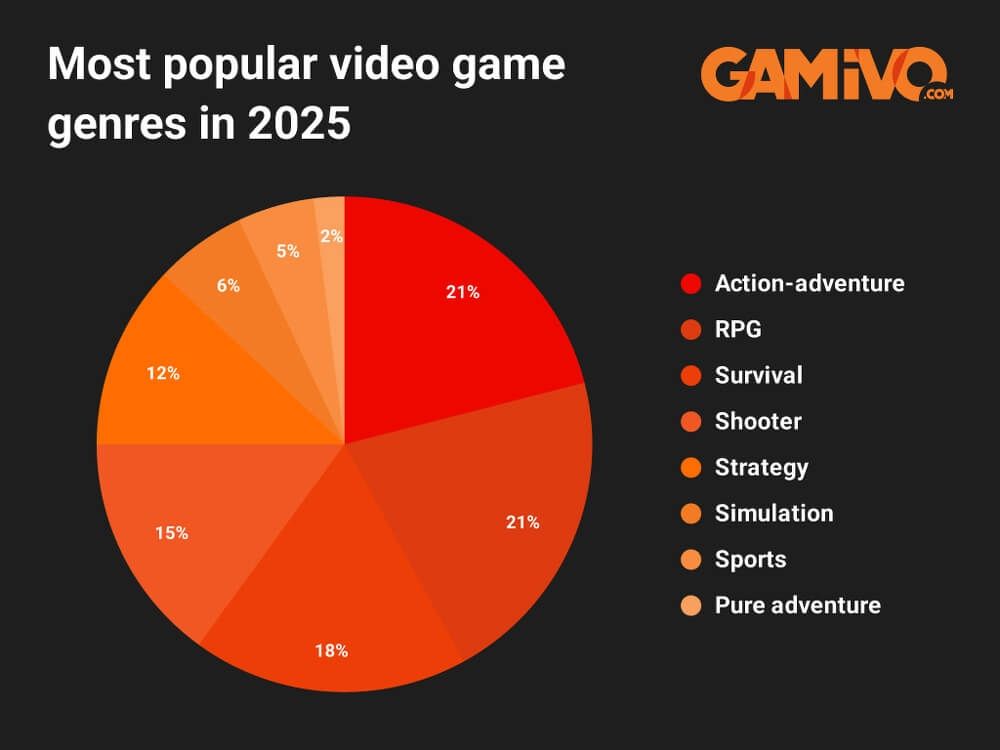
Simulation games occupy a unique space in the interactive entertainment landscape. Unlike traditional action titles that emphasize reflex and hand-eye coordination, or narrative-driven adventures that prioritize scripted storytelling, simulation games focus on systems. They ask players to understand rules, manage resources, and observe the consequences of their decisions over time. This emphasis on systemic depth has produced a remarkably diverse category of software, ranging from hyper-realistic flight trainers to whimsical life simulators. For developers, publishers, and enthusiasts alike, understanding the major simulation subgenres is essential to appreciating how this sector continues to expand. The following breakdown examines the most popular simulation game genres, their defining mechanics, and the audiences they serve.
Life Simulation
Life simulation games place players in control of one or more characters whose daily existence becomes the primary gameplay loop. Rather than pursuing a single win condition, these titles emphasize routine, relationships, and personal growth. The genre reached mainstream prominence with The Sims franchise, which allows users to design households, build homes, and guide virtual people through careers, hobbies, and social interactions.
Key characteristics of life simulations include:
- Open-ended progression: Players set their own goals, whether that means raising a family, mastering a skill, or accumulating wealth.
- Character autonomy: Non-player characters often act independently, creating emergent stories.
- Creative expression: Building tools, customization options, and mod support are frequently central features.
Life simulations appeal to players who enjoy sandbox experiences and personal storytelling. They tend to have long tails in terms of engagement, because the absence of a fixed ending encourages continued play.
Construction and Management Simulation
Construction and management simulations, often abbreviated as CMS, task players with building and operating complex systems. This genre includes city builders, theme park managers, and business tycoon games. The core loop typically involves allocating resources, balancing budgets, and reacting to dynamic conditions such as traffic congestion, visitor satisfaction, or market fluctuations.
Successful titles in this space, including SimCity, Planet Coaster, and Two Point Hospital, share several design pillars:
Management simulations attract analytical thinkers and players who derive satisfaction from optimization. They are also popular in educational contexts, where they demonstrate economic and logistical principles in an interactive format.
Vehicle and Flight Simulation
Vehicle simulation focuses on the operation of cars, aircraft, trains, and spacecraft with varying degrees of realism. The genre splits into two broad camps: arcade-style simulations that prioritize accessibility, and hardcore simulations that model physics, instrumentation, and procedures with meticulous accuracy.
| Flight Simulation | Microsoft Flight Simulator, X-Plane | Aviation enthusiasts, professional trainees |
| Racing Simulation | Assetto Corsa, iRacing | Motorsport fans, competitive drivers |
| Train Simulation | Train Sim World | Railway hobbyists, history buffs |
| Space Simulation | Kerbal Space Program, Elite Dangerous | Science fiction fans, physics learners |
The most sophisticated vehicle simulations incorporate real-world data, including weather patterns, terrain elevation, and aircraft systems. This fidelity has practical applications beyond entertainment, particularly in training and research environments.
Farming and Economic Simulation
Farming simulations blend resource management with life simulation elements. Titles such as Stardew Valley and Farming Simulator invite players to cultivate land, raise livestock, and participate in local economies. The genre’s appeal lies in its gentle pacing and sense of tangible progress.
Economic simulations, meanwhile, concentrate on markets, trade, and financial strategy. Games like Offworld Trading Company and Capitalism require players to forecast demand, manipulate supply chains, and outmaneuver competitors. These titles often feature steep learning curves but reward mastery with deep strategic satisfaction.
Social and Dating Simulation
Social simulations examine interpersonal dynamics, from friendship to romance. Dating sims, a prominent subset, structure gameplay around dialogue choices, relationship meters, and branching narratives. While often associated with Japanese visual novels, the genre has expanded globally through indie releases and hybrid designs that incorporate management or role-playing mechanics.
The defining traits of social simulations include:
- Dialogue-driven progression: Player choices directly influence character relationships.
- Multiple endings: Outcomes depend on accumulated decisions and affinity levels.
- Character depth: Writing quality is often the primary differentiator between titles.
Why Simulation Game Genres Continue to Grow
Simulation games thrive because they satisfy a fundamental human desire: to understand and control complex systems. Whether the subject is a city, an aircraft, or a virtual family, these games provide a safe environment for experimentation. They also benefit from strong community support, as modding communities frequently extend the lifespan of popular titles by years.
As processing power increases and artificial intelligence improves, simulation genres will likely become more nuanced and accessible. The categories outlined above represent the current landscape, but the boundaries between them are increasingly fluid. Hybrid simulations that combine management, life, and vehicle elements are already emerging, suggesting that the genre’s most innovative work may still lie ahead.
Leave a Reply